
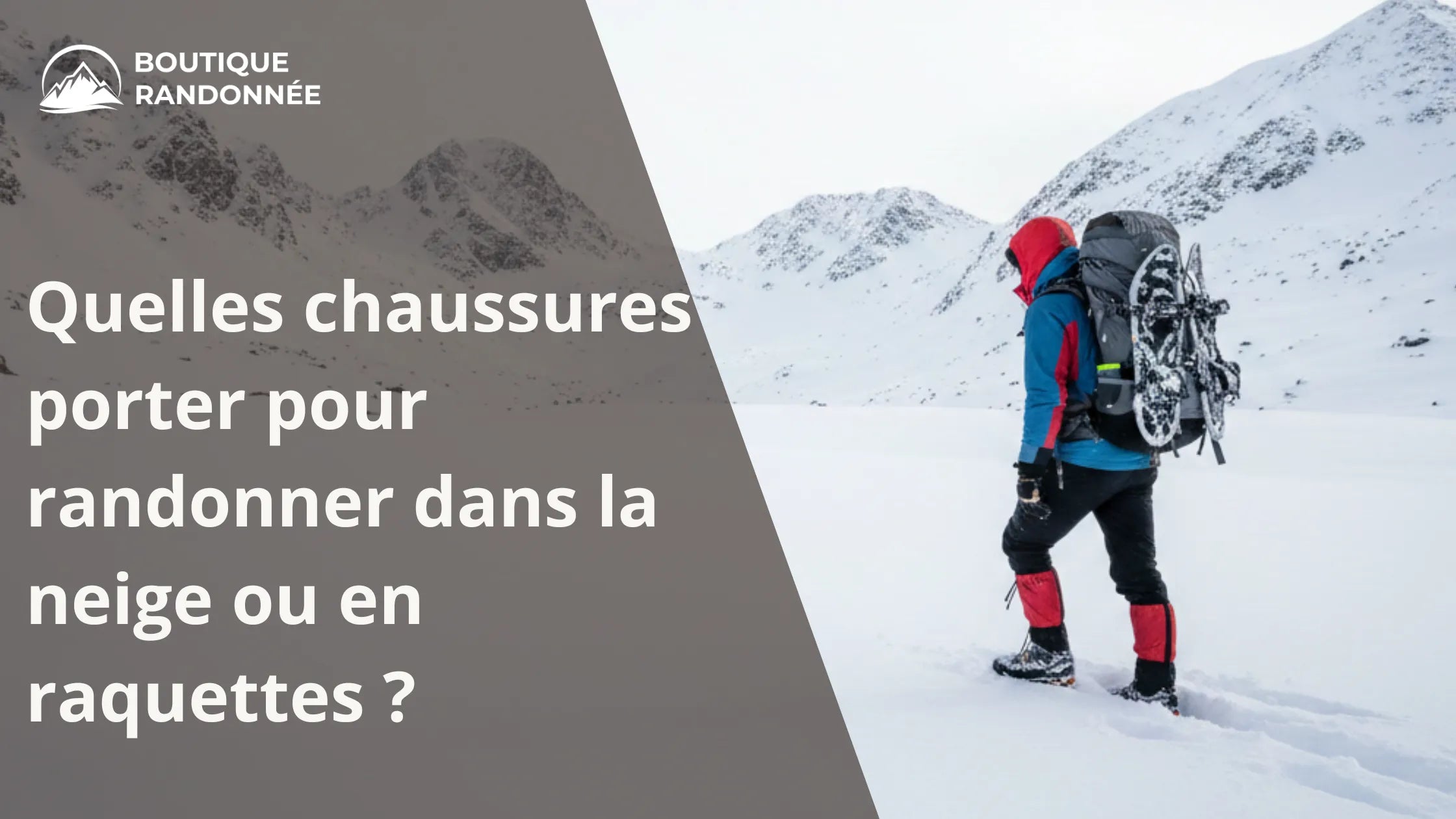
Equipment tips to keep feet warm and dry in winter
Hiking in the snow or snowshoeing offers unique landscapes, but also imposes specific constraints, especially on the feet. Cold, dampness, slush, and slippery terrain put footwear to the test. Choosing the right equipment is therefore essential to stay comfortable, safe, and fully enjoy your winter outings .
This article guides you in choosing the right shoes for winter hiking and snowshoeing, and presents solutions for transforming your existing equipment if needed.
What shoes are best for winter hiking and snowshoeing?

Footwear designed for hiking in the snow or snowshoeing must meet specific criteria. A high-cut upper is preferred, providing good ankle support and limiting snow penetration. A waterproof and breathable membrane is also essential to keep feet dry while wicking away perspiration.
Even though snowshoes primarily provide traction on snow, a lugged, non-slip outsole remains very useful, especially when walking without snowshoes, on groomed trails, or in mixed terrain. A relatively rigid sole improves comfort on uneven ground and prevents the shoe from slipping off during repetitive movements.
For challenging outings or hikes with significant elevation gain, a winter hiking boot is an excellent choice. For easier approaches or off-trail sections, some also opt for men's and women's après-ski boots, which are warmer and more comfortable for breaks or shorter routes.
In our hiking shop , you will find a collection of après-ski gear , designed to face the cold and snow with complete peace of mind.
The importance of thermal insulation

Keeping your feet warm in winter is essential. Thermal insulation depends not only on the shoes themselves, but also on what you wear underneath.
Warm and breathable hiking socks help retain heat without causing excessive moisture. For those sensitive to the cold or during extended outings, there are now very effective solutions available:
- heated socks for a constant supply of warmth
- Heated insoles , ideal for complementing an already high-performance shoe.
Transforming your hiking boots for winter

If you only go winter hiking or snowshoeing occasionally, it's not always necessary to invest in a dedicated pair of boots. However, it's essential to adapt your current footwear to winter conditions. This adaptation relies on three key elements: waterproofing, traction, and insulation .
Improve waterproofing
To limit snow infiltration:
- Use high hiking gaiters
- wear waterproof overtrousers
- Apply a waterproofing spray to your shoes before going out.
Improve grip on snow

When the snow is hard or icy, traction becomes a major issue. Snow crampons or snowshoes are then essential:
- The cleats improve grip on flat or slightly inclined terrain.
- Snowshoes distribute the weight and offer stability and safety in deep snow
Increase the heat
In addition to suitable socks, you can add:
- thermal or heated insoles
- heated clothing to maintain overall warmth and limit heat loss through the extremities
Getting the right equipment for a successful winter outing

Whether you're a casual hiker or a lover of wide-open snowy spaces, properly equipping your feet is key to a successful outing. Appropriate footwear, anti-slip accessories, warming solutions, and technical clothing make all the difference when temperatures drop.
Grab your poles… and enjoy winter in complete serenity.