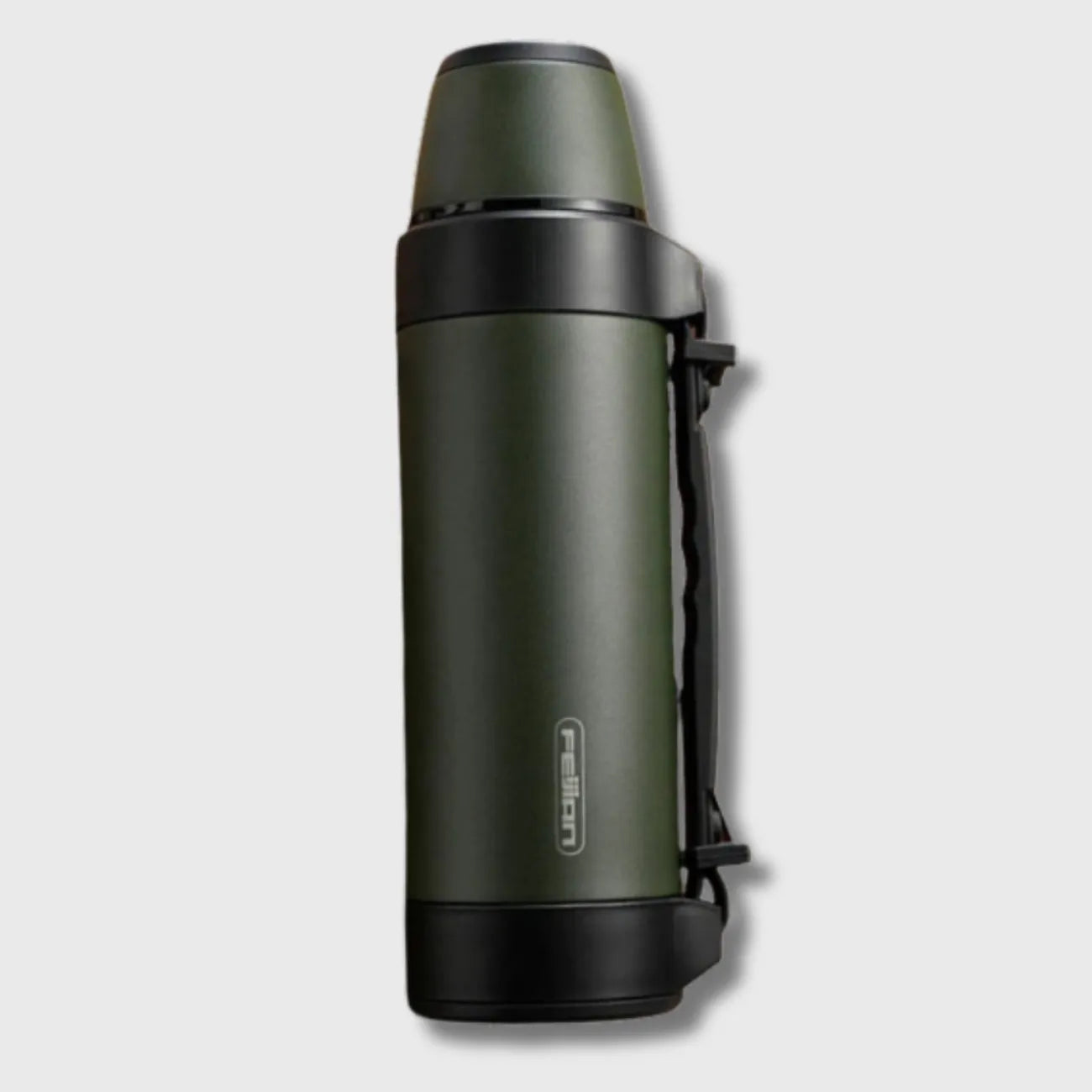
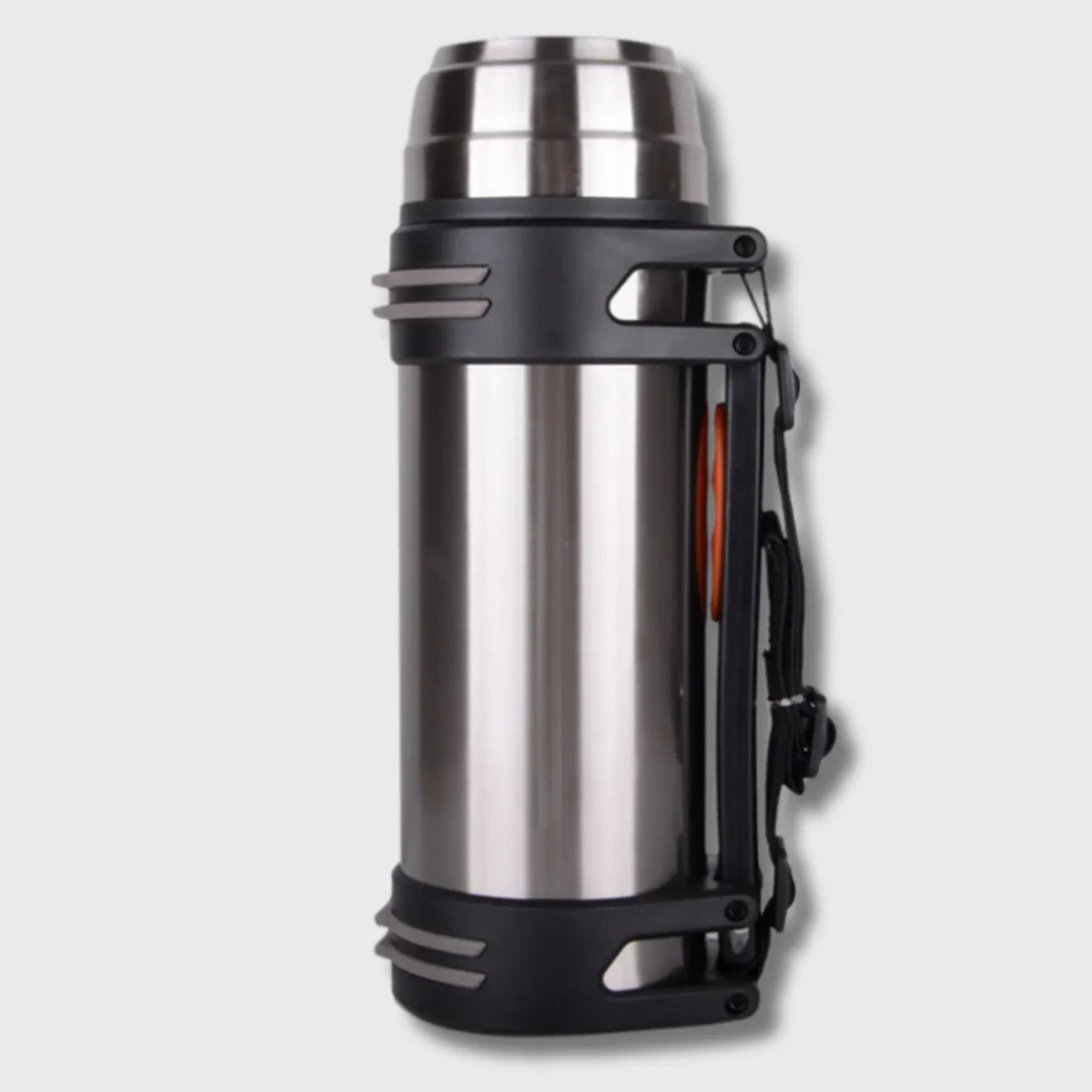
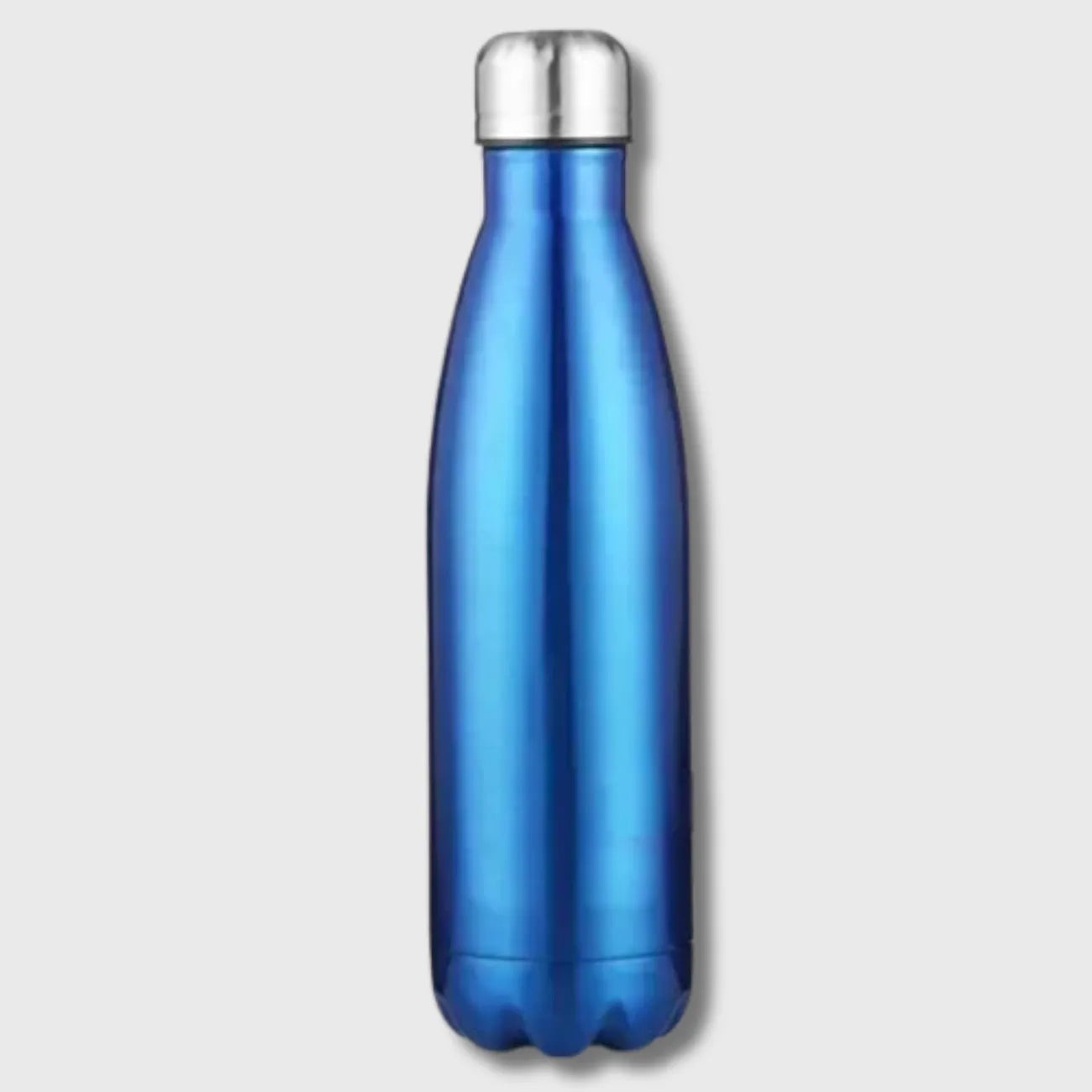
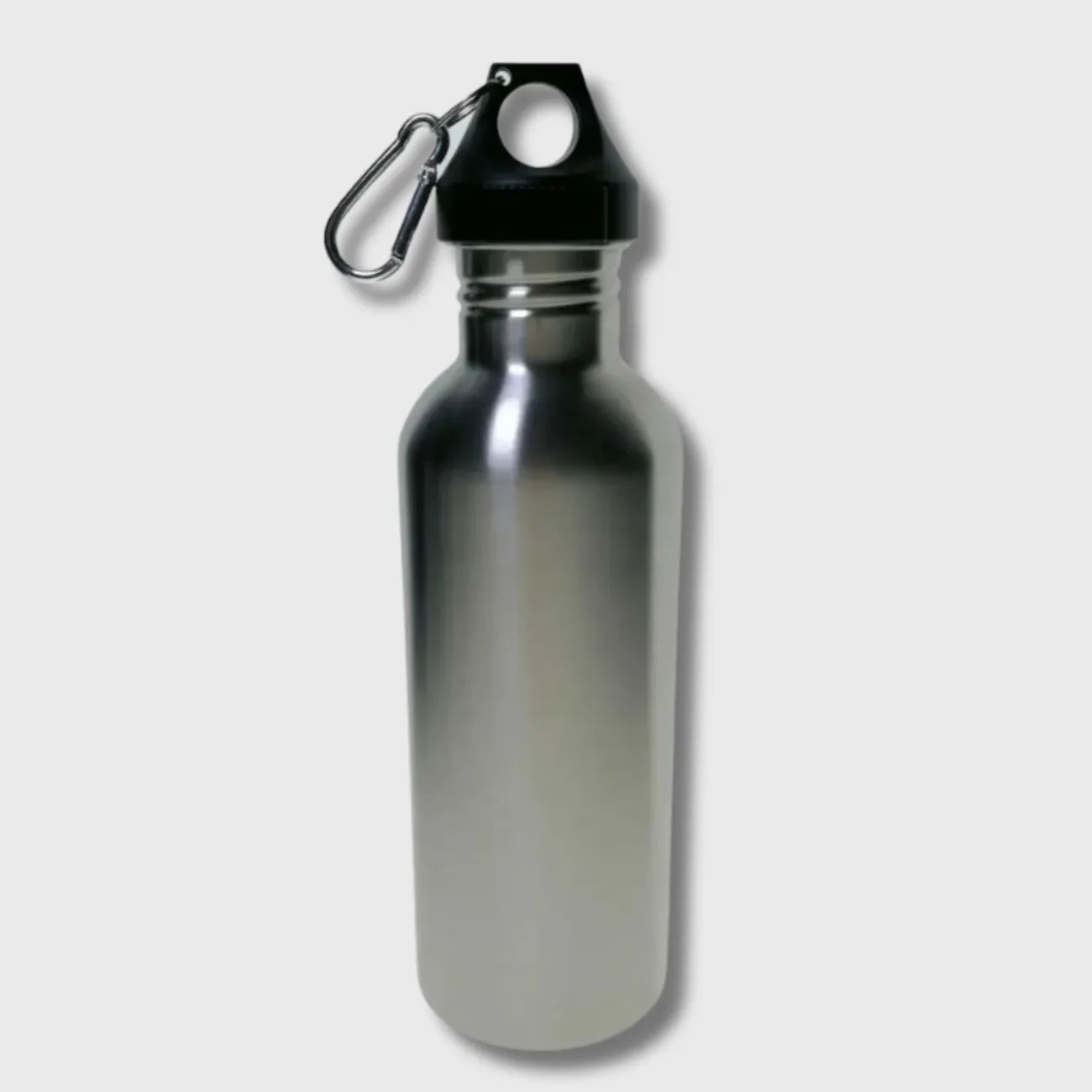
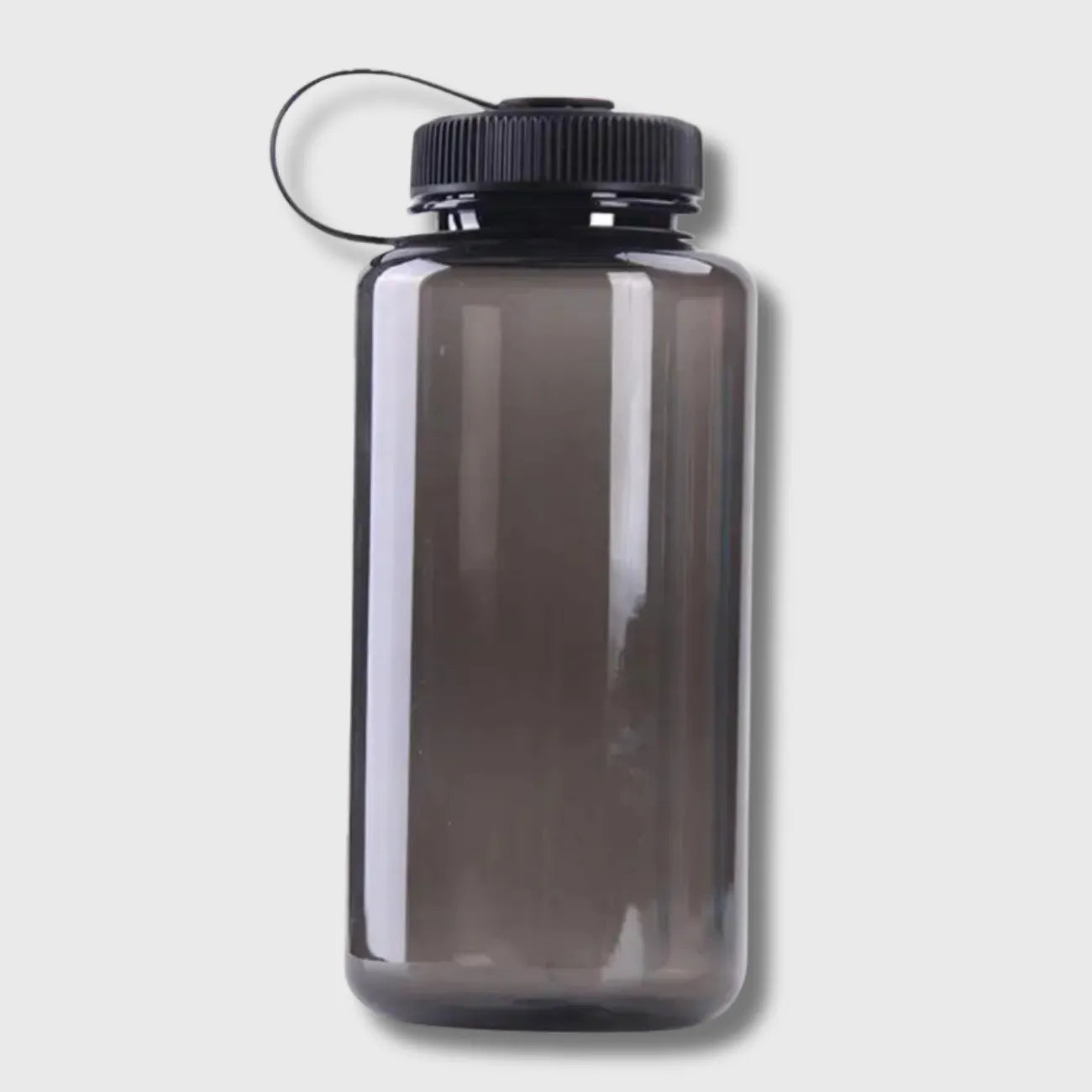
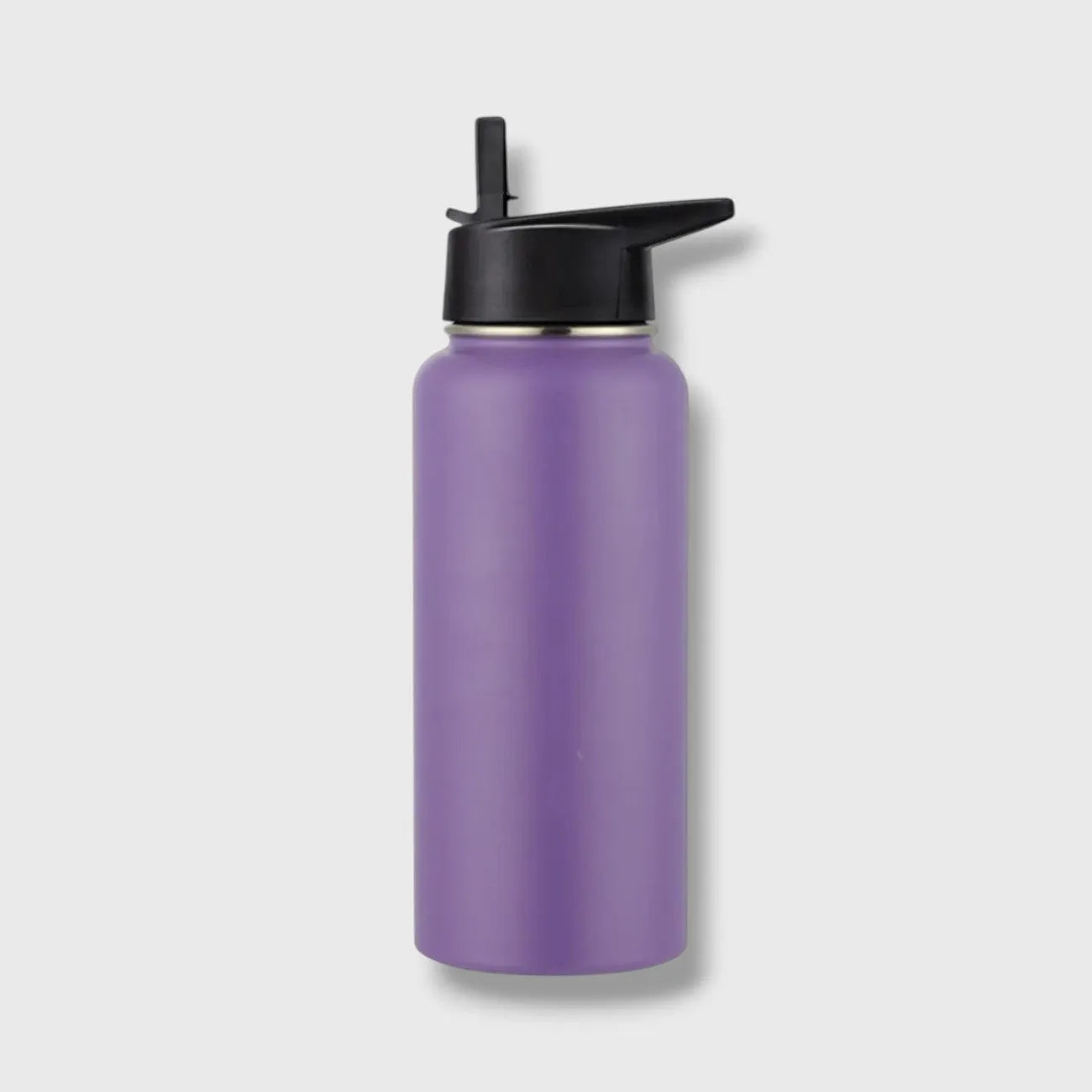
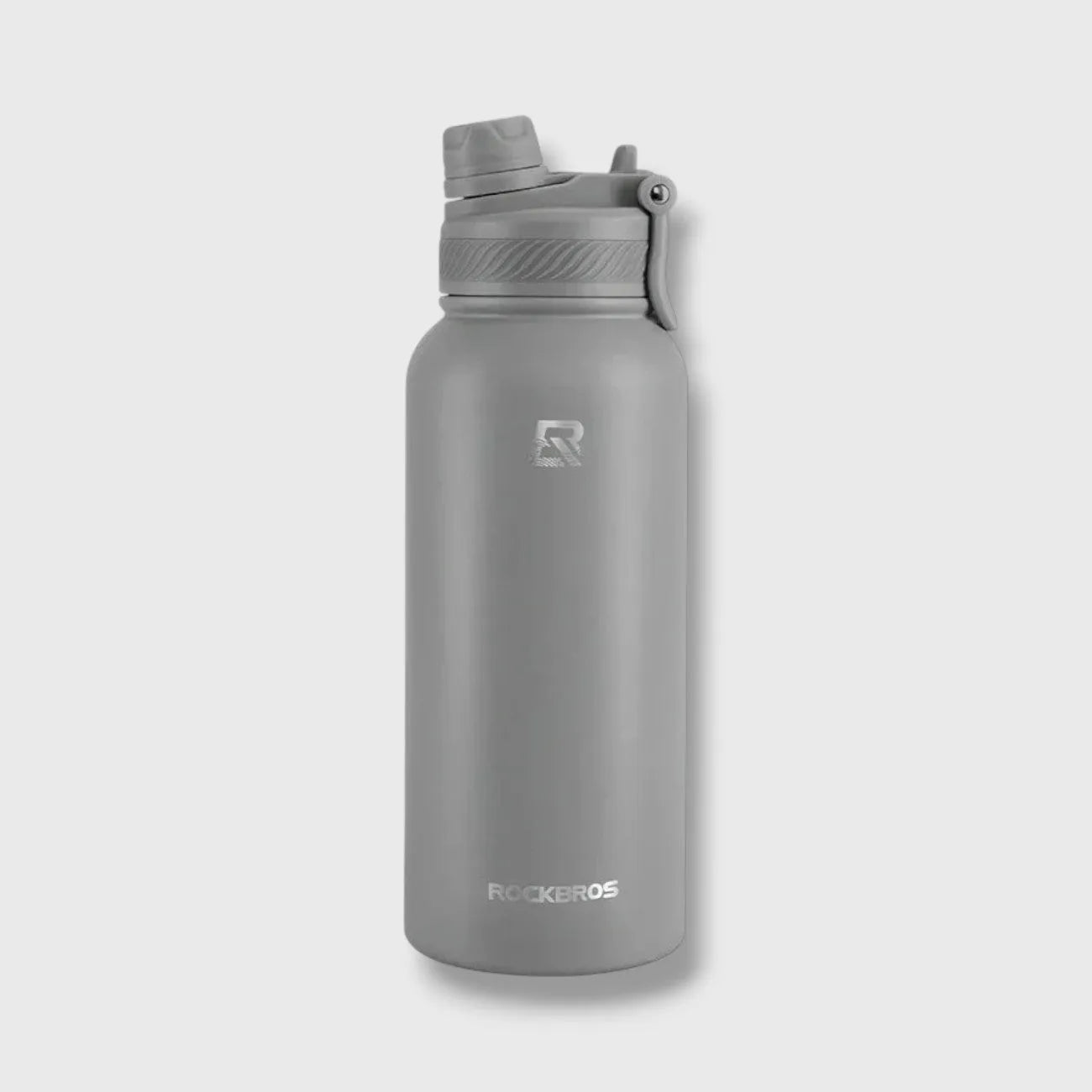
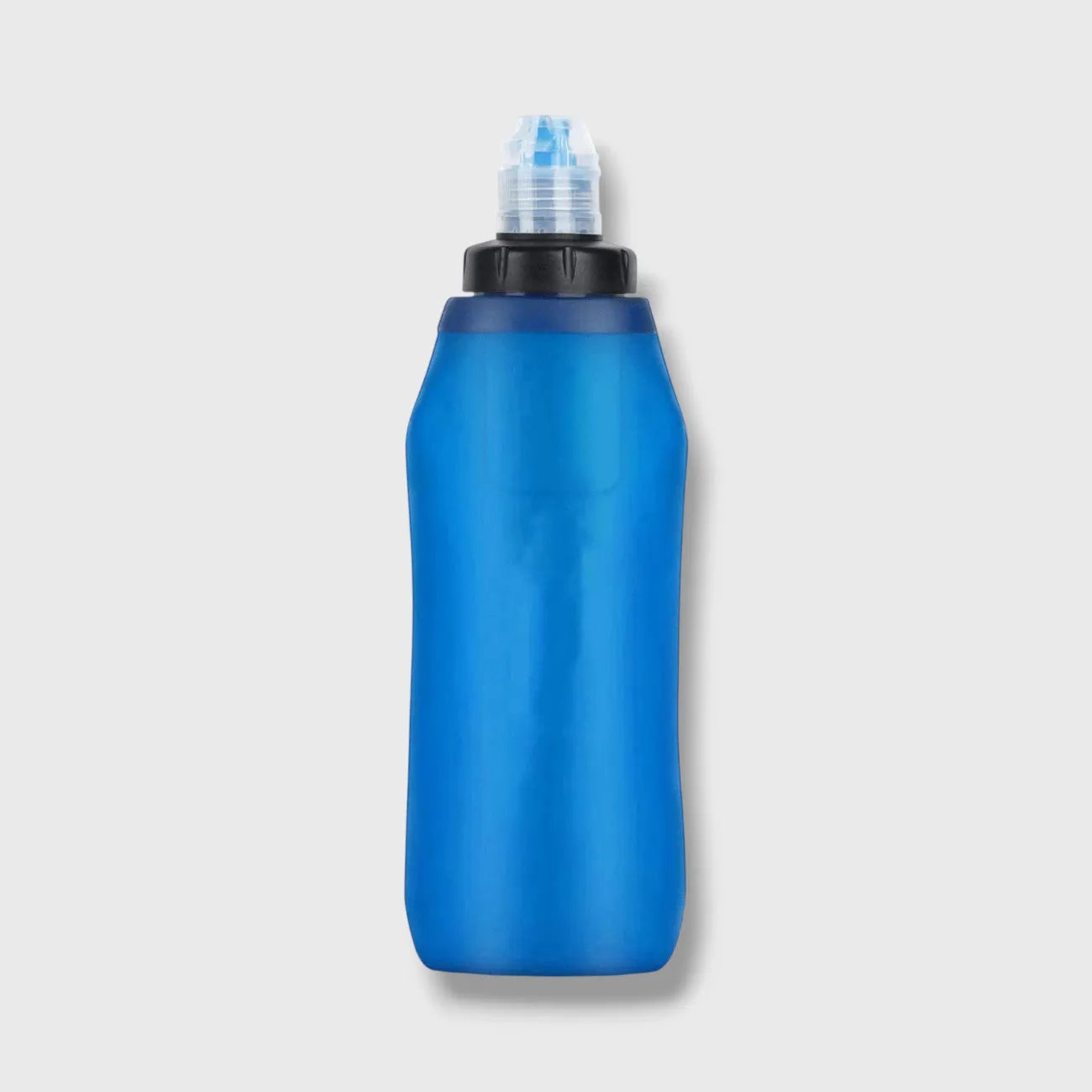
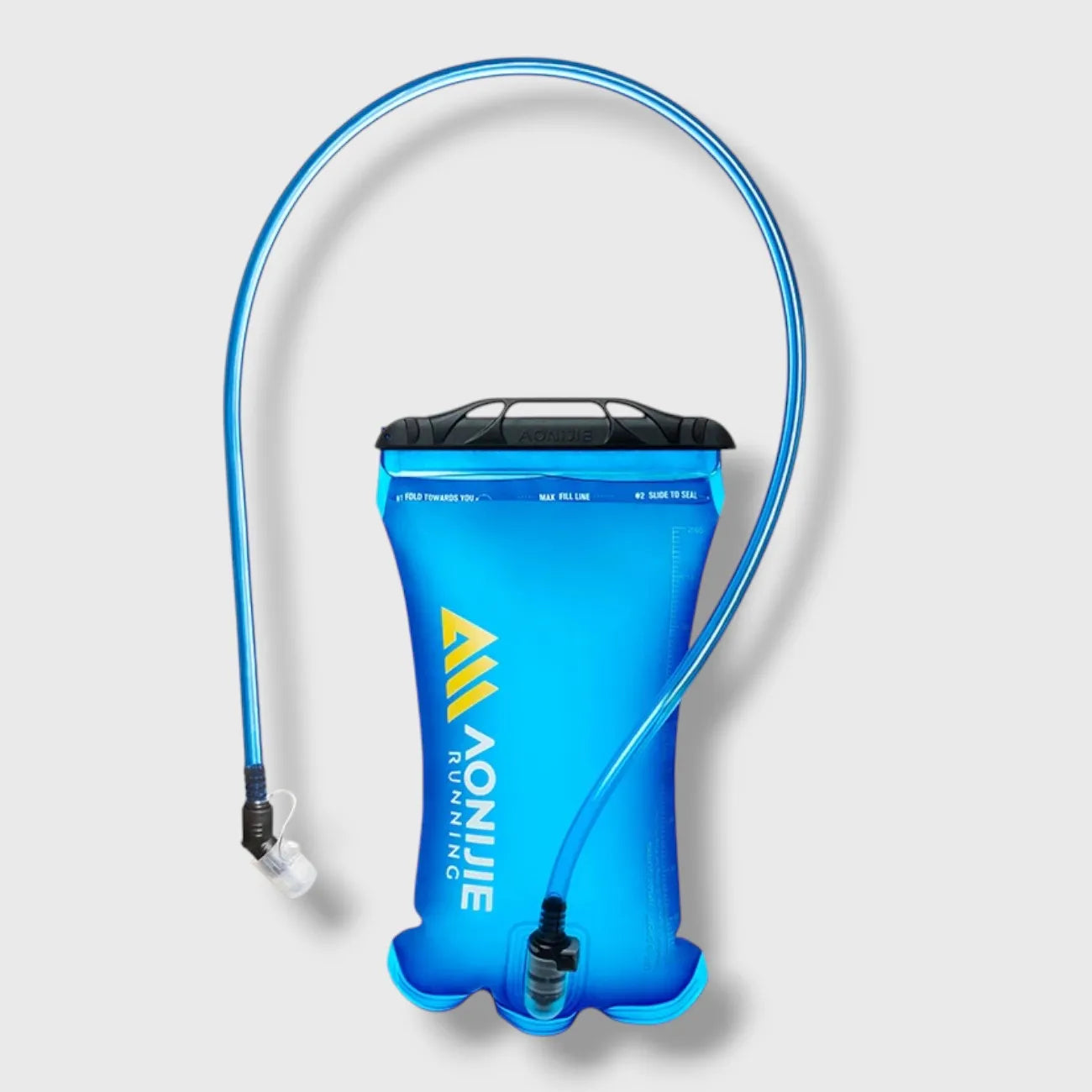
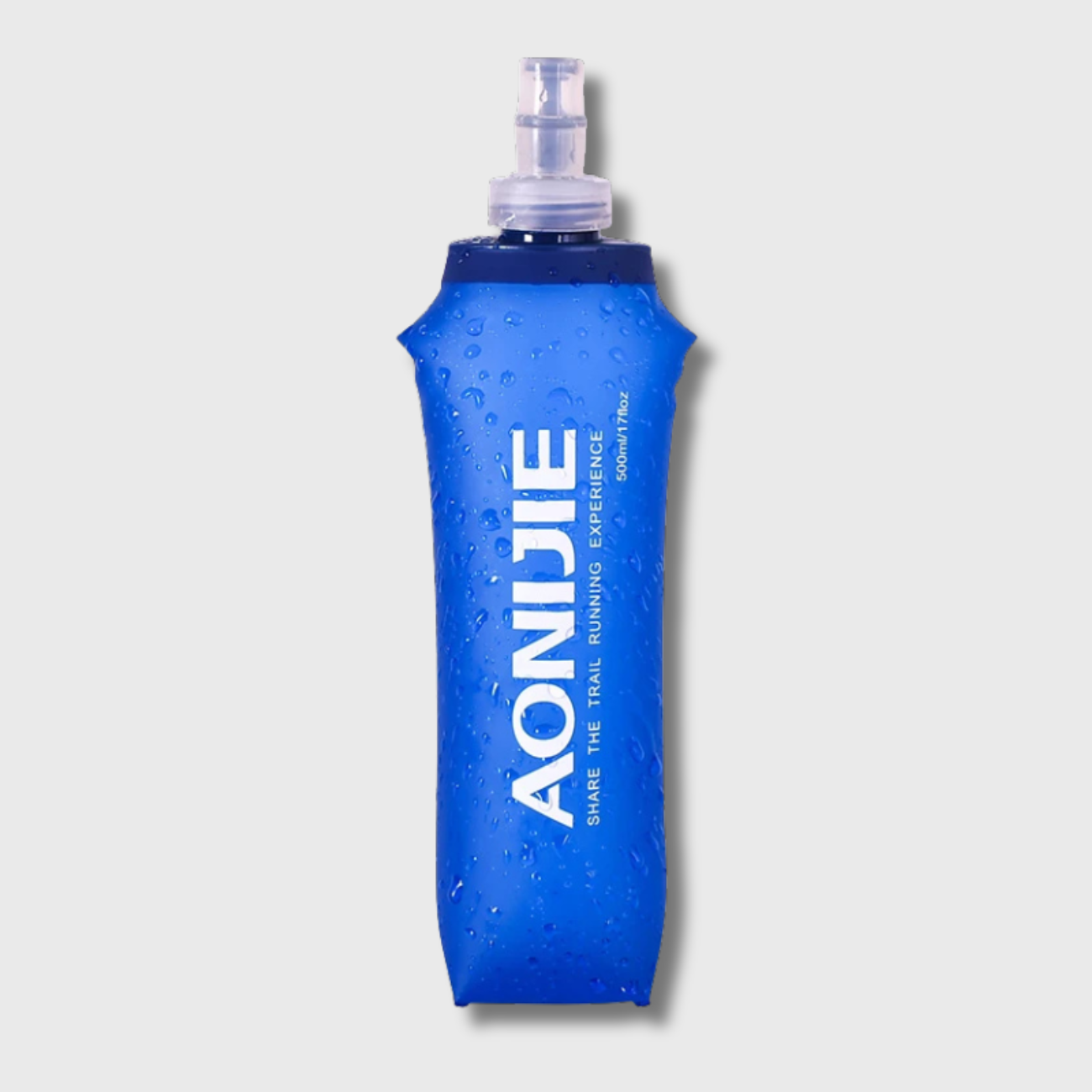
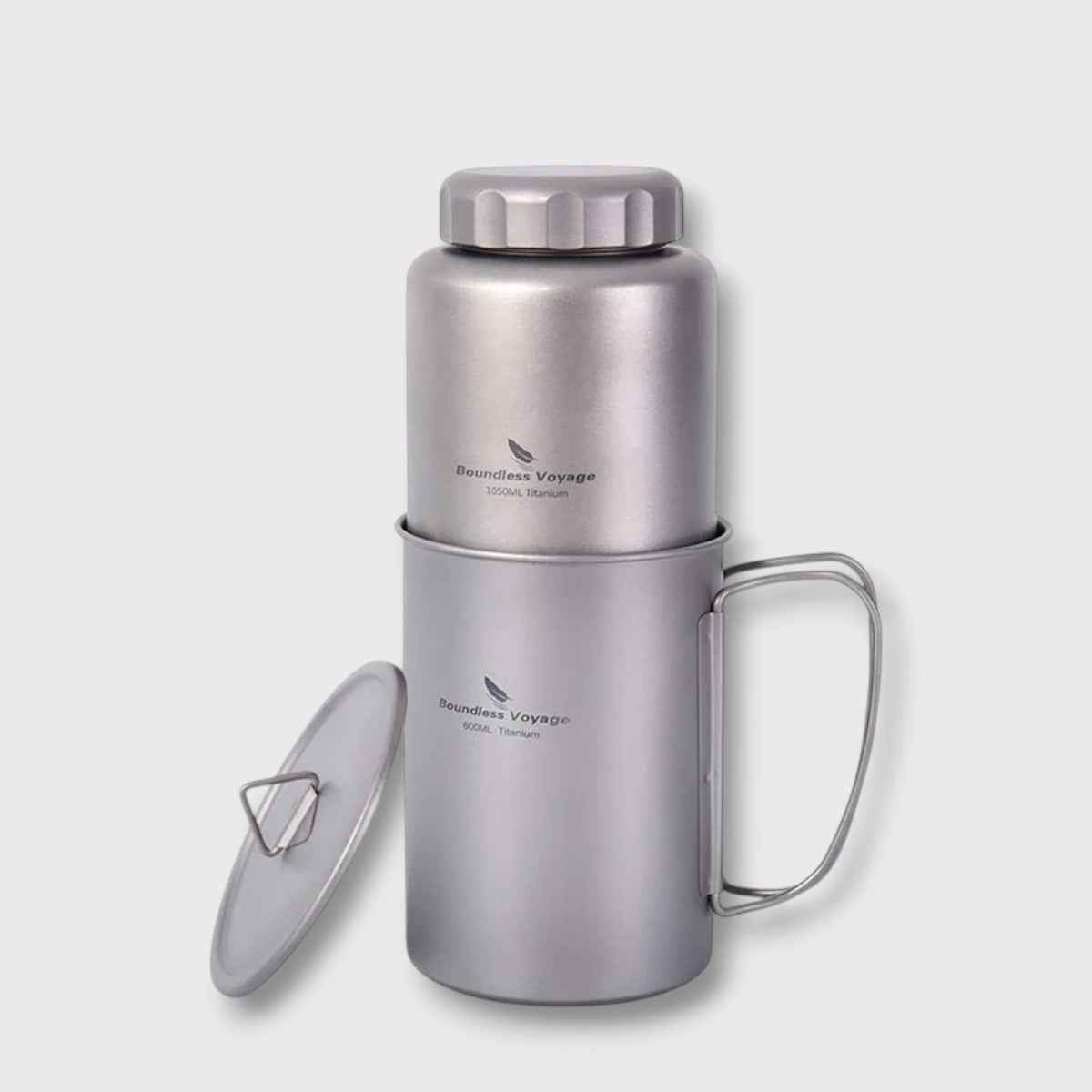
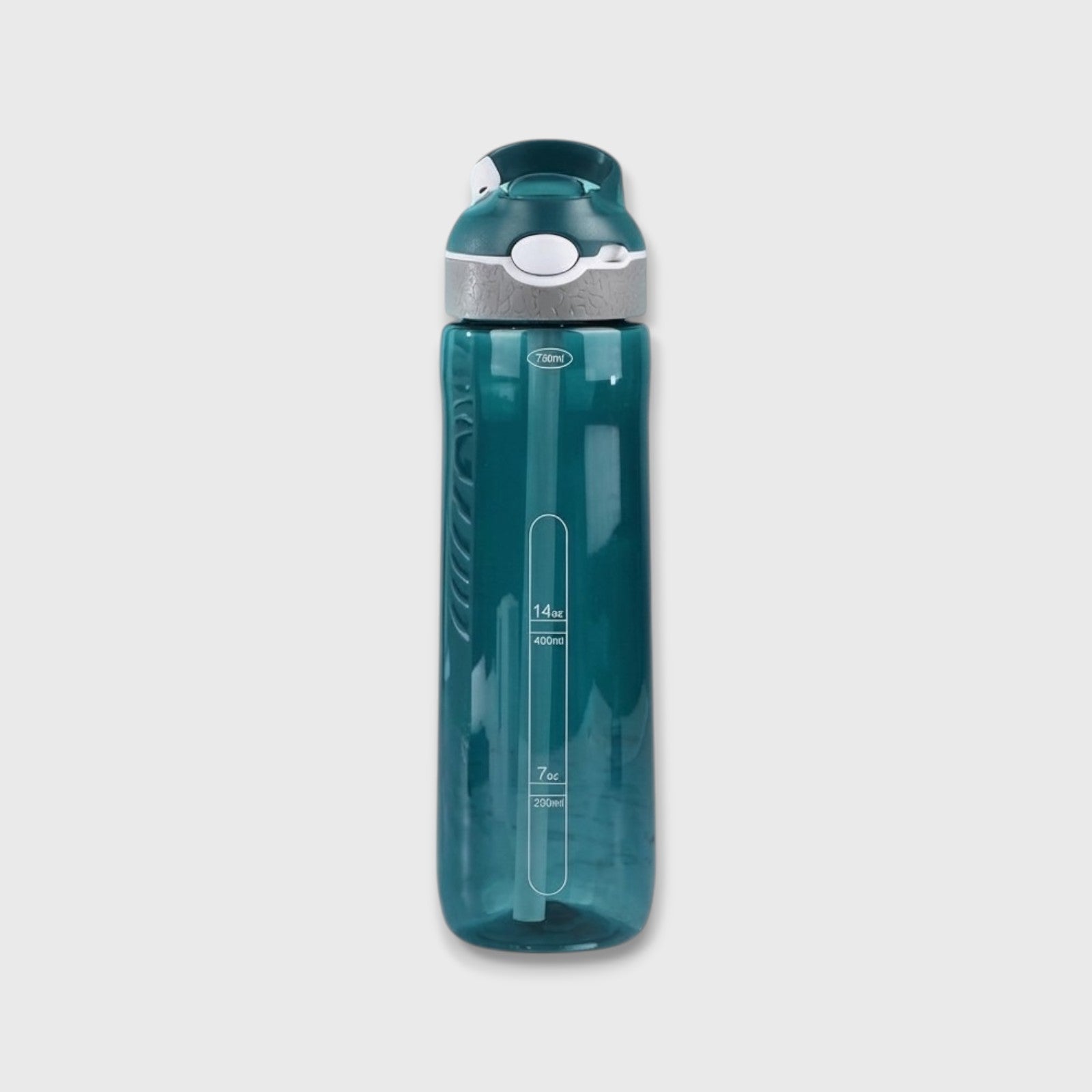
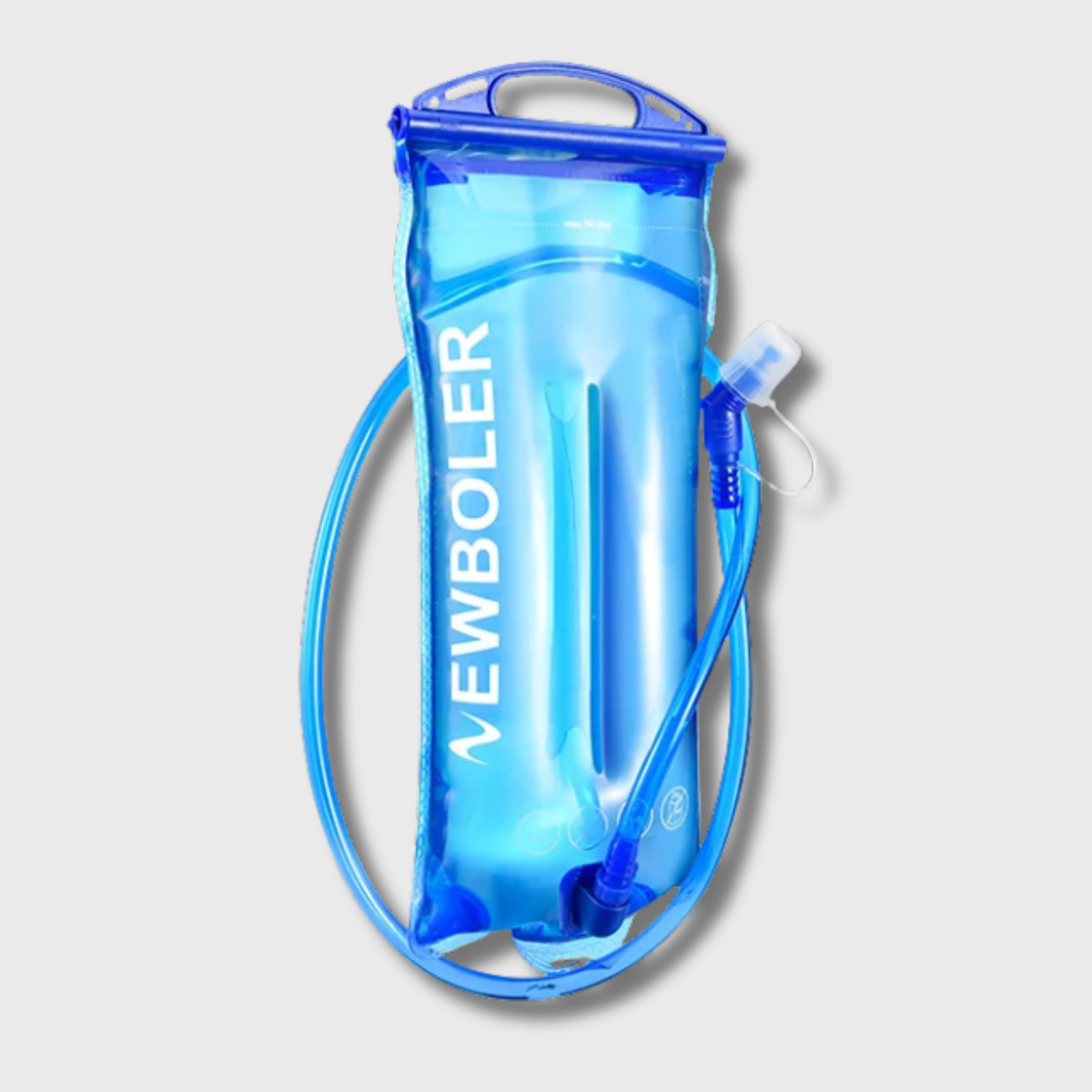
The evolution of hiking water bottles from primitive skins to modern models
Trekking water bottles originated from the primitive containers used by early nomads and explorers to carry water . The earliest versions were made from natural materials such as animal-skin water bags, gourds, or clay containers. With the evolution of techniques, metal water bottles , often used by the military in the 19th century, emerged, offering greater durability and impact resistance.
In the 20th century, the rise of outdoor activities and hiking led to the development of modern water bottles adapted to the needs of adventurers. Materials such as aluminum, stainless steel, and later BPA-free plastics made it possible to create lightweight, durable , and sometimes insulated water bottles. Today, hiking water bottles combine practical design with advanced technologies, offering options such as integrated filtration systems to meet the needs of hikers in all conditions.
Is the hiking water bottle suitable for drinks other than water, such as coffee, tea or energy drinks?
Trekking water bottles aren't just for carrying water: they're often designed to hold a wide variety of beverages , such as coffee, tea, or energy drinks. Stainless steel or insulated models are particularly well-suited, as they keep liquids hot or cold for several hours.
Some trekking water bottles include special caps or leak-proof systems , ideal for safely carrying hot drinks like tea or coffee. Those who prefer energy or isotonic drinks will appreciate easy-to-clean models that prevent residue buildup and lingering odors.
How to avoid lingering odors or deposits after prolonged use of a hiking water bottle?
To prevent lingering odors or deposits in your hiking water bottle , regular cleaning is essential. After each use, rinse your bottle with warm water and use a little mild soap to remove any residue. If you've carried beverages other than water, such as energy drinks or coffee, a thorough cleaning with a suitable brush will help reach hard-to-access areas.
To eliminate stubborn odors, you can use natural solutions such as a mixture of baking soda and hot water or diluted white vinegar. Let it sit for a few hours before rinsing thoroughly. Also, be sure to dry your water bottle completely after each wash to prevent residual moisture, which encourages mold growth.
Stay hydrated and light up your adventures with our hiking gear
For your outdoor adventures, leave nothing to chance: discover our water bottles specially designed for trekking. Whether you're tackling summits or enjoying a walk in nature, our trekking water bottles combine robustness, lightness, and practicality .
If you've found the perfect hiking water bottle , don't forget to explore our collection of outdoor lighting . Whether it's for night walks, camping, or extended hikes, our headlamps and compact lanterns will provide the visibility and safety you need.