When were sleeping bags invented?
The first trekking sleeping bags appeared in the 19th century, mainly in Europe. Initially, they were designed for explorers and the military, to provide them with portable sleeping accommodations and protect them from extreme weather conditions during their expeditions.
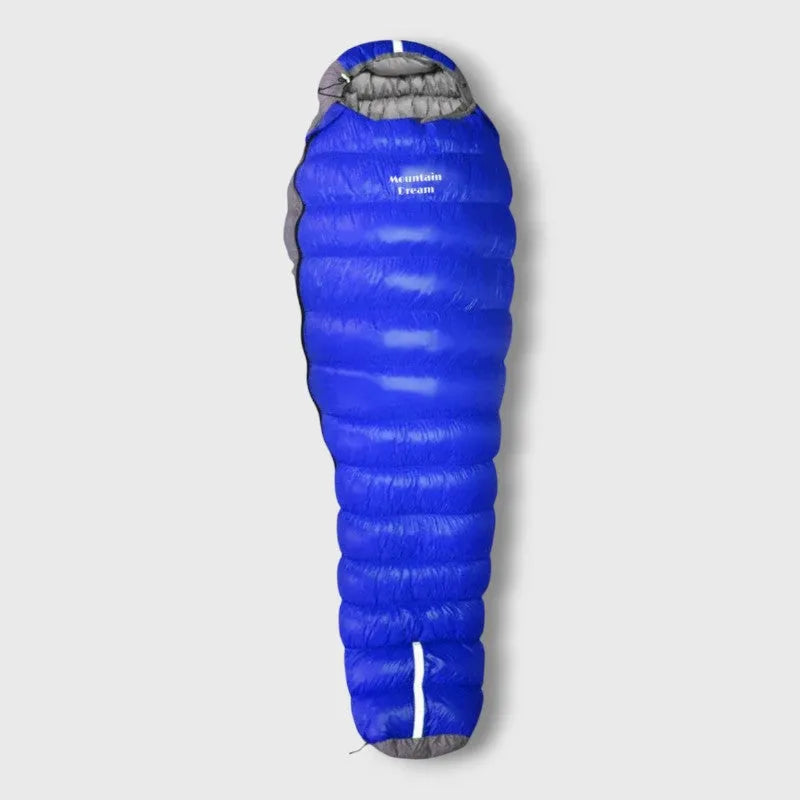
At the beginning of the 20th century, hiking sleeping bags were improved with the introduction of insulating materials, such as down, making them lighter and more efficient. They quickly gained popularity among mountaineers and adventurers seeking comfort in the great outdoors .
With the rise of recreational camping in the 1950s, sleeping bags for hiking became more accessible. New, lighter models , adapted to various climates, were created, allowing a wider audience to enjoy nature safely and comfortably .
Why is a hiking sleeping bag important when camping?
A trekking sleeping bag ensures restful sleep while camping. It insulates against the cold ground and retains body heat, essential for preventing hypothermia on cool nights. A good model is adapted to climatic conditions to offer both comfort and protection .
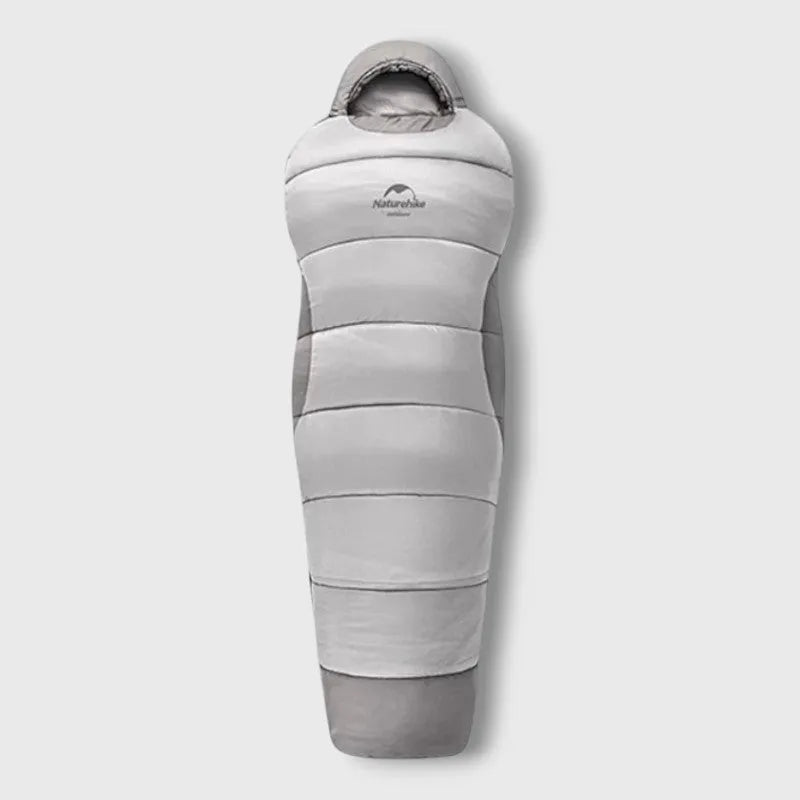
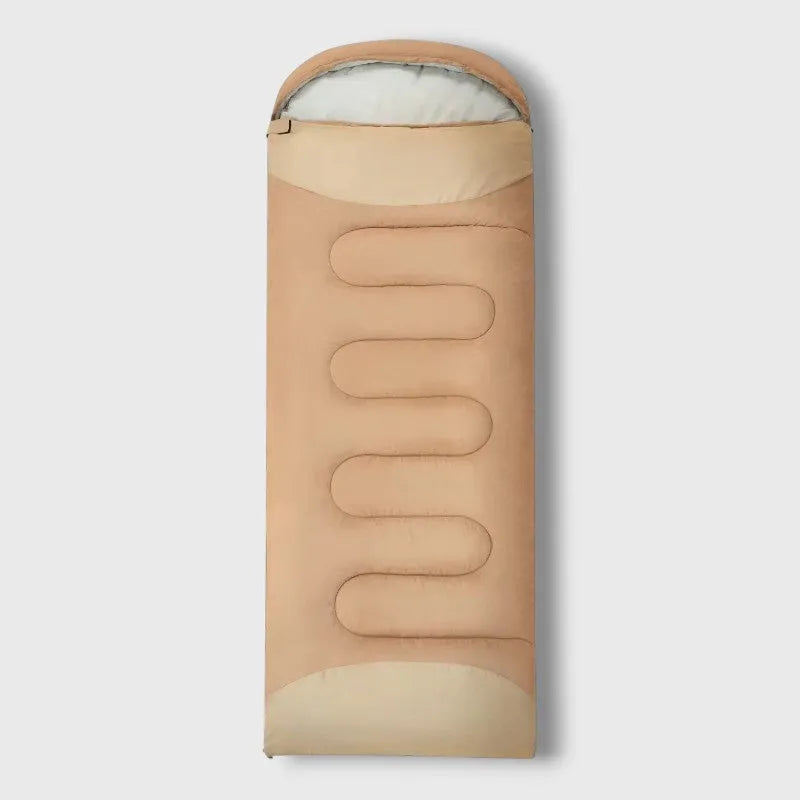
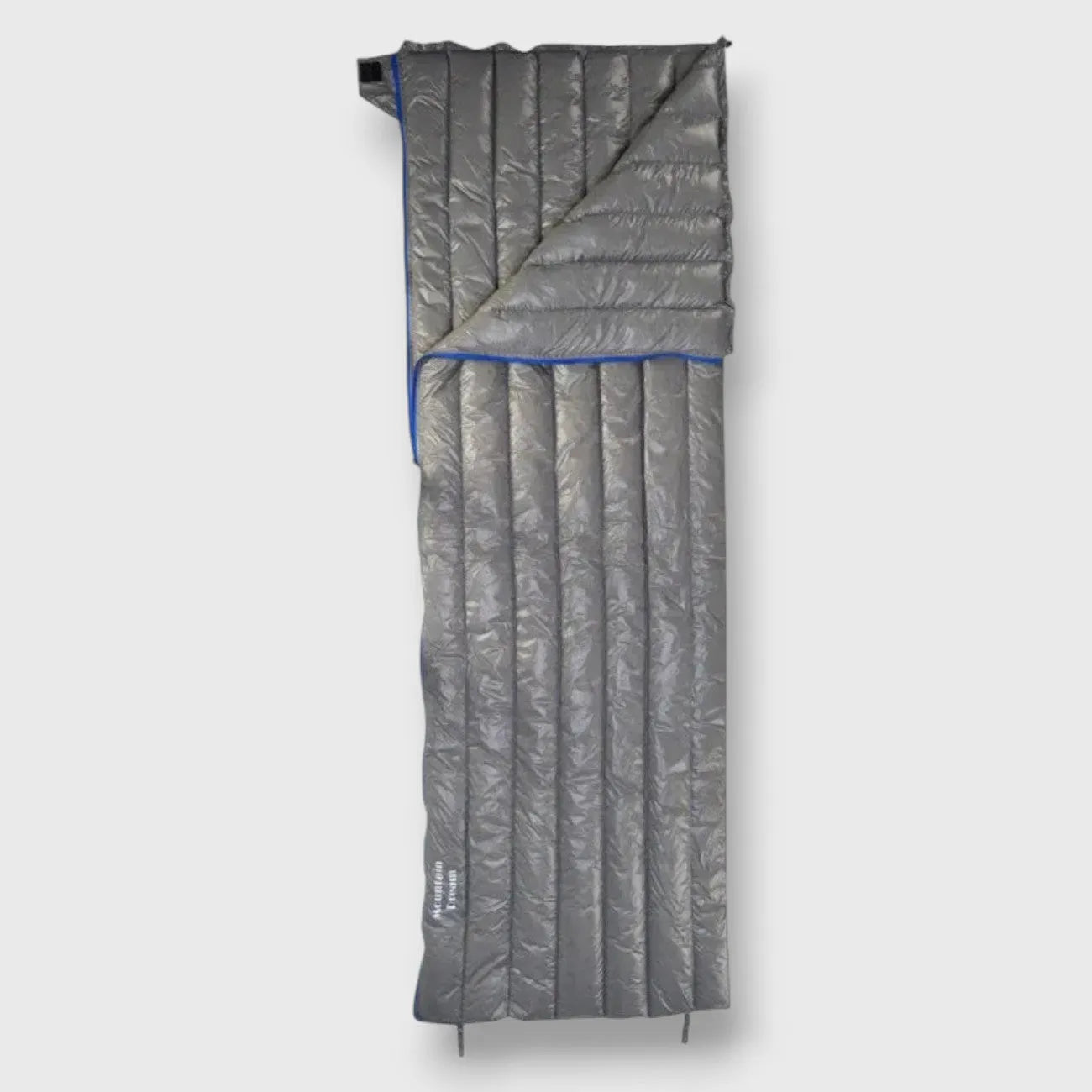
It provides optimal comfort in the great outdoors . Designed to wrap around the body, it minimizes heat loss while remaining breathable. Some models have specific fillings, synthetic or down, offering better insulation and lightness .
A hiking sleeping bag is also a practical and compact piece of equipment. Easy to carry thanks to its compressible design, it takes up little space in a backpack. Ideal for hikers and campers, it guarantees comfortable nights wherever you sleep!
How to recognize a good camping sleeping bag?
A good sleeping bag for hiking should offer adequate insulation. Check its comfort temperature rating, which indicates the optimal warmth it provides. Down models are lighter and warmer, while synthetic ones are more moisture-resistant and dry quickly.