
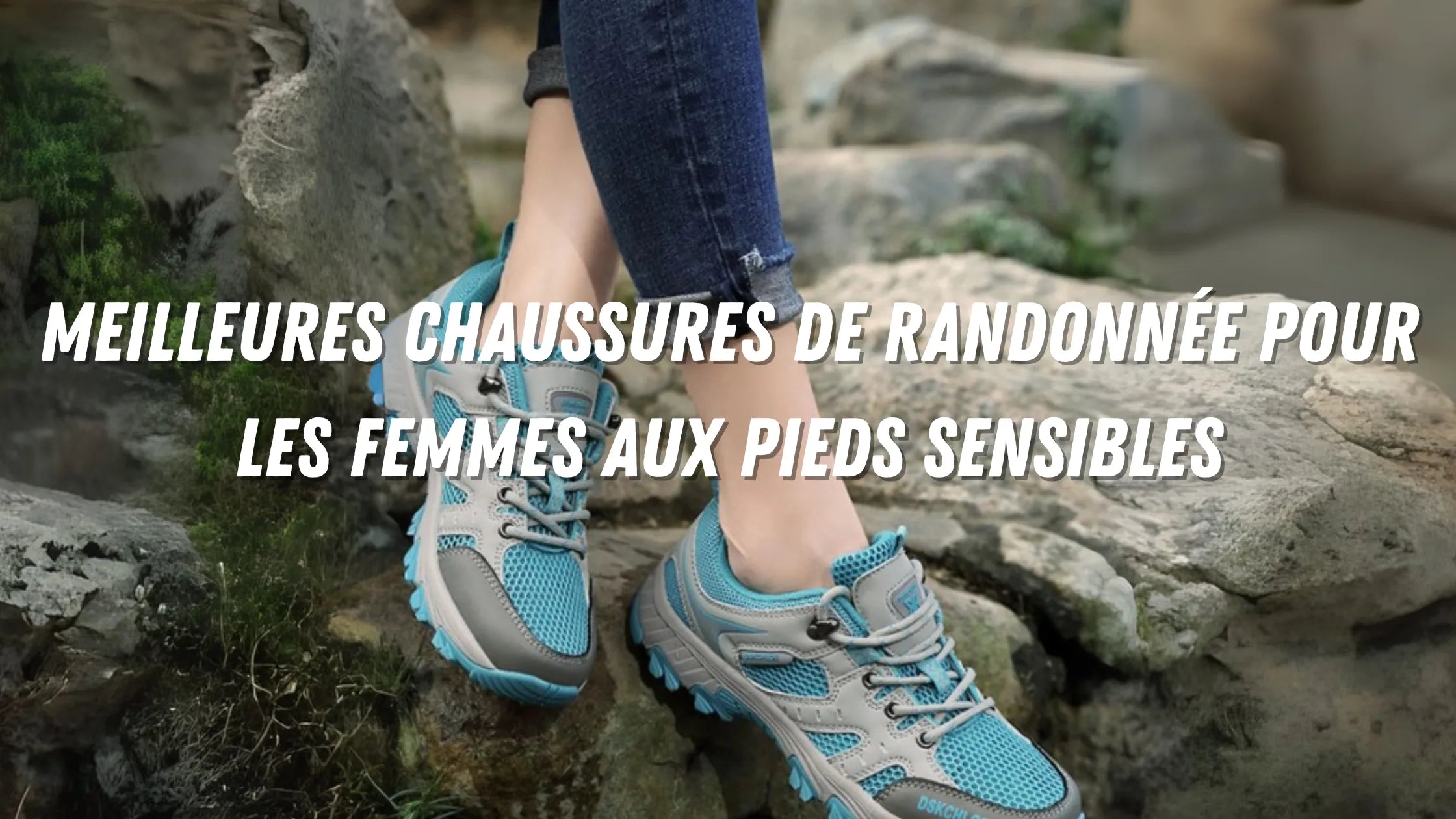
Do you love hiking but often find your feet ache after a long day? Don't worry, you're not alone. Sensitive feet can turn an outdoor adventure into a real ordeal if your gear isn't right. Fortunately, there are solutions specifically designed to offer comfort and support for hikers with delicate feet.
One of the keys to fully enjoying your outdoor adventures is choosing the right hiking shoes. This guide examines the essential elements to consider when selecting a pair suited to the specific needs of women with sensitive feet. You'll also discover some recommendations on what's important to check before buying.
Understanding the needs of sensitive feet
Having sensitive feet means much more than just experiencing occasional pain after physical activity. It can include conditions like frequent blisters, calluses, or even more serious problems such as plantar fasciitis or bunions. These issues require careful attention not only to the choice of footwear, but also to how the shoes are worn and cared for.
In general, women with sensitive feet should prioritize shoes offering excellent cushioning. Shock-absorbing soles become essential to prevent the repeated impact of each step, which can cause pain and inflammation. Furthermore, it's crucial that the shoe has a good width to avoid excessive rubbing, especially for those with wide feet. This includes considering women's hiking shoes designed for sensitive feet, which are available on the market.
Key features of comfortable shoes
With so many hiking shoes on the market, making the right choice can be difficult. Certain features are essential to ensure your footwear meets your comfort and support requirements. For example, always opt for breathable materials to keep your feet dry and cool. This reduces the risk of developing blisters caused by moisture.
In addition, consider choosing lightweight shoes. It may seem minor, but when you're walking long distances, every extra gram adds up. A lightweight pair helps reduce overall foot fatigue, making your hikes more enjoyable and less tiring.
Technology at the service of sensitive feet
Fortunately for nature lovers, technology is constantly evolving. Several innovations have emerged to improve the comfort of hiking shoes. Waterproof technologies, such as the renowned Gore-Tex, provide protection against the elements without compromising the shoe's breathability. This duality is crucial for keeping your feet dry and free from the discomfort of friction caused by perspiration.
In addition, some brands now incorporate cushioned insoles using special gels or memory foams to provide optimal support. These technologies help distribute pressure evenly across the entire foot, thus reducing localized stress that could cause pain.
For what types of terrain?
The choice of footwear should also be guided by the type of terrain you plan to explore. For steep or rocky paths, support is essential. Models designed for these environments generally have additional ankle reinforcements and stiffer soles for better stability.
Conversely, for flat or easy trails, a low-cut hiking shoe, similar to a sneaker, which combines flexibility and lightness, will do the job perfectly. The main thing is to always consider your environment when buying shoes to maximize both comfort and safety.
How to choose among popular brands
With so many brands available, it's essential to understand what each offers in terms of durability and features. Many of the leading names offer a diverse range of products to meet the needs of women with sensitive feet. Examine the specifics of each product before making a final decision.
Some brands are distinguished by their shock-absorbing sole designs, while others emphasize flexibility and lightness. Choosing a well-known brand can offer an additional guarantee of quality craftsmanship and the durability of your walking shoes.
Test and try before you buy
There's a saying that trying is believing. This is especially true when it comes to hiking boots. Never hesitate to try several different models to find the one that perfectly fits the shape of your foot. Walking around the store for a few minutes will already give you a first impression of their comfort.
Pay attention to any pressure points or immediate discomfort during the fitting. If the chosen model feels too tight or uncomfortable from the start, it will only get worse over time and with more miles. Taking the time to test them ensures a wise investment and enjoyable walks.
Maintaining your shoes to prolong their lifespan
Once you've chosen your perfect pair, it would be a shame not to take proper care of them. Regular cleaning after each outing removes mud and particles that, when accumulated, gradually damage the materials. By following a regular maintenance routine, your shoes will continue to take care of your sensitive feet on every hike.
Regularly applying a waterproofing treatment helps restore the hydrophobic properties of your shoes. This is especially important for models using membranes such as Gore-Tex, which perform best when kept clean and free of dirt. Careful maintenance not only extends the life of your shoes but also ensures they continue to deliver optimal performance.
Alternation and storage
Consider alternating between two pairs of shoes if you hike frequently. This allows the material time to regain its shape and prevents premature wear. Store your shoes in a dry, well-ventilated place to allow for thorough drying between uses.
Finally, regularly inspect the condition of your soles and laces. Replacing them when necessary ensures consistent support and prevents any potential wear-related accidents. Take care of your shoes, and they will take care of you and your feet on your future adventures.